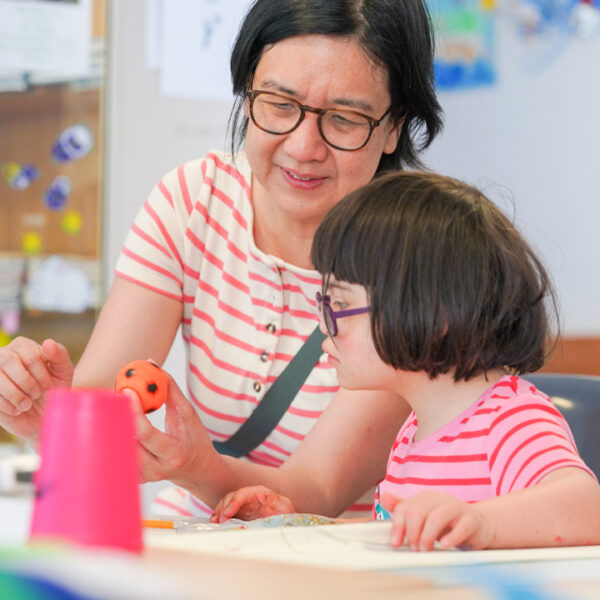
We all want to be good listeners, but it’s not always easy. Conversations might happen when we’re not ready for them. We might be distracted – even if we’re trying not to be. But listening effectively makes a big difference. It can help a child to understand that they matter and they’re being heard.

1. Be available. Letting a child know you’re there if you want to talk is a really important first step. It’s never easy starting a conversation if something is on your mind, but if your child knows you’re available, it can help them to open up. Make eye contact, find somewhere comfortable and put away your phone. Have patience. It might take a child several tries to find the words or to feel ready for the conversation. Don’t rush things. Go at their pace. Let them tell you the details that are most important to them and try to limit your questions to ones that clarify details.
2. Treat their concerns with care. A problem that might not seem big to you could be very big to a child. So be careful to avoid telling them “it’s nothing to get upset about” or that “it’ll all blow over”. Instead, you should acknowledge that their worries matter, making sure you show them that you take their feelings and their problems seriously.
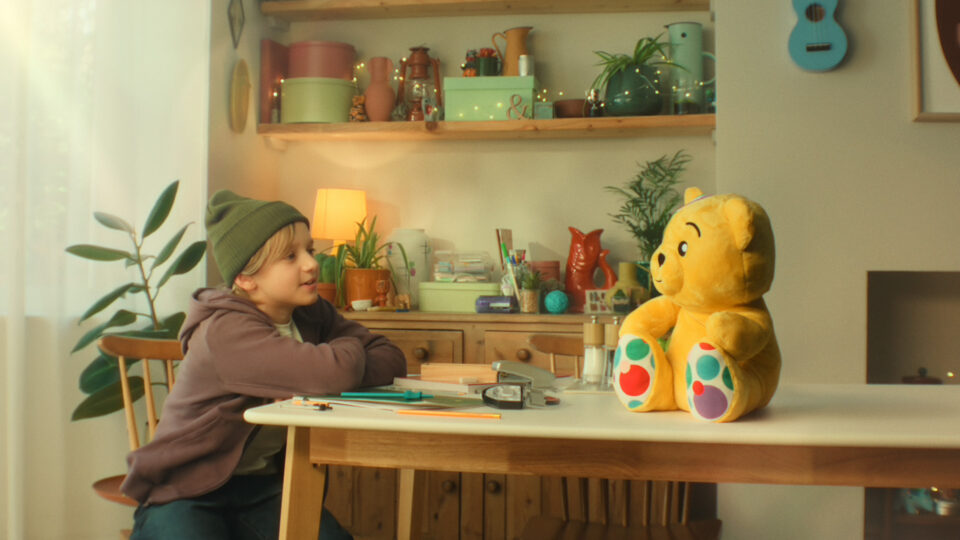
3. Use open questions. A closed question is one that leads to a yes or no answer – like “are you feeling unhappy?” or “are you worried?” Closed questions tend to shut conversations down. Open questions do the opposite. Asking ”how are you feeling?” or ”what’s been on your mind lately?” can encourage your child to talk and will show you’re listening -so stick with this second kind of questions.
4. Be careful with your tone. The way you speak can have a big impact on how comfortable your child feels talking about worries and concerns. Try to focus on being warm, open, calm and respectful. As one young person explained it to us: “Just be chill about it. Take it seriously but don’t make the conversation tense.” Reflect what’s said to you back to the child with whom you’re communicating. Repeating back important parts of the conversation can show that you’re listening and that you value what’s being said.
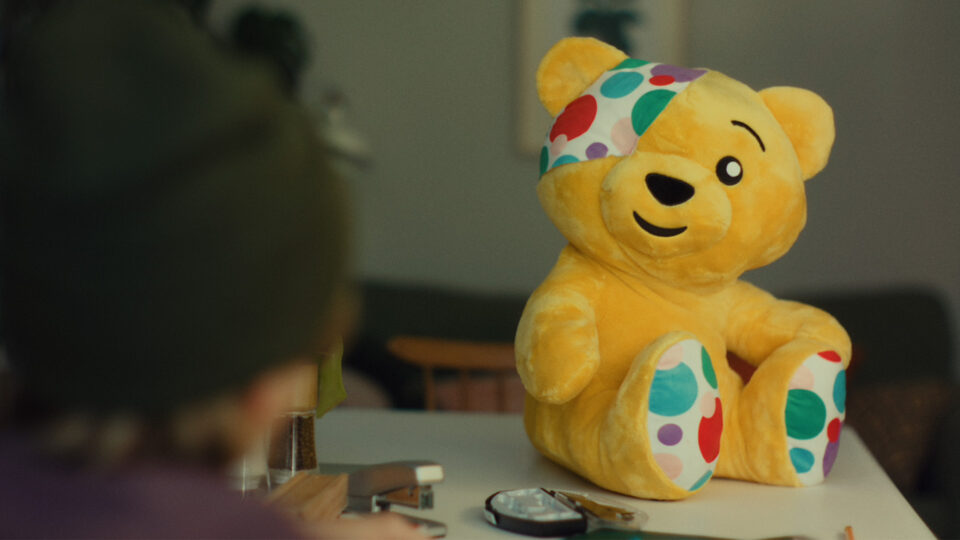
5. Be careful with advice. Being a good listener doesn’t mean jumping in with advice and suggestions. It means giving the other person space to reflect and to think about how they move forward. It also means understanding that people respond differently to different situations. There will be times when your child asks for advice, though. When that happens, try to think about how you’d like to be given advice yourself.
6. Don’t feel you need to fill silence. Sitting quietly shows someone you’re giving them your time. It can help your child pause to find the right words, too. In fact, silence can be one of the most powerful listening tools of all, making it another thing to think about as you focus on listening well.
This resource has been adapted from a publication produced by The Children’s Society. © The Children’s Society 2026 / All rights reserved / Charity Registration No. 221124. © BBC 2022 Reg. charity England & Wales no. 802052 and Scotland no. SC039557