Liberty Jamboree
Emily Elsdon is a BBC Children in Need-funded Youth Worker and Morna Doyle is a Senior Youth Worker at Liberty Jamboree. They both lead and deliver a range of youth club and after-school provision,offering young people a safeand supportive environment to try new things and push themselves to reach their full potential. They create opportunities that are accessible, enjoyable and meaningful for every young person, with all the right tools and resources for everyoneto be included.


Small Changes, Big Impact: Supporting Communication and Calm at Home
Every child communicates, but not always with words.
For some young people, especially those with additional needs, communication can look different. They may struggle to express themselves, which can sometimes be misunderstood as challenging behaviour.
There are lots of tools, strategies and small, thoughtful changes that can help young people feel more able to connect with the world around them.
Not all young people communicate in the same way. Some may use sign language, Makaton or communication aids. Some may be non-verbal or find it difficult to process spoken language.
Here are some helpful strategies and tools:
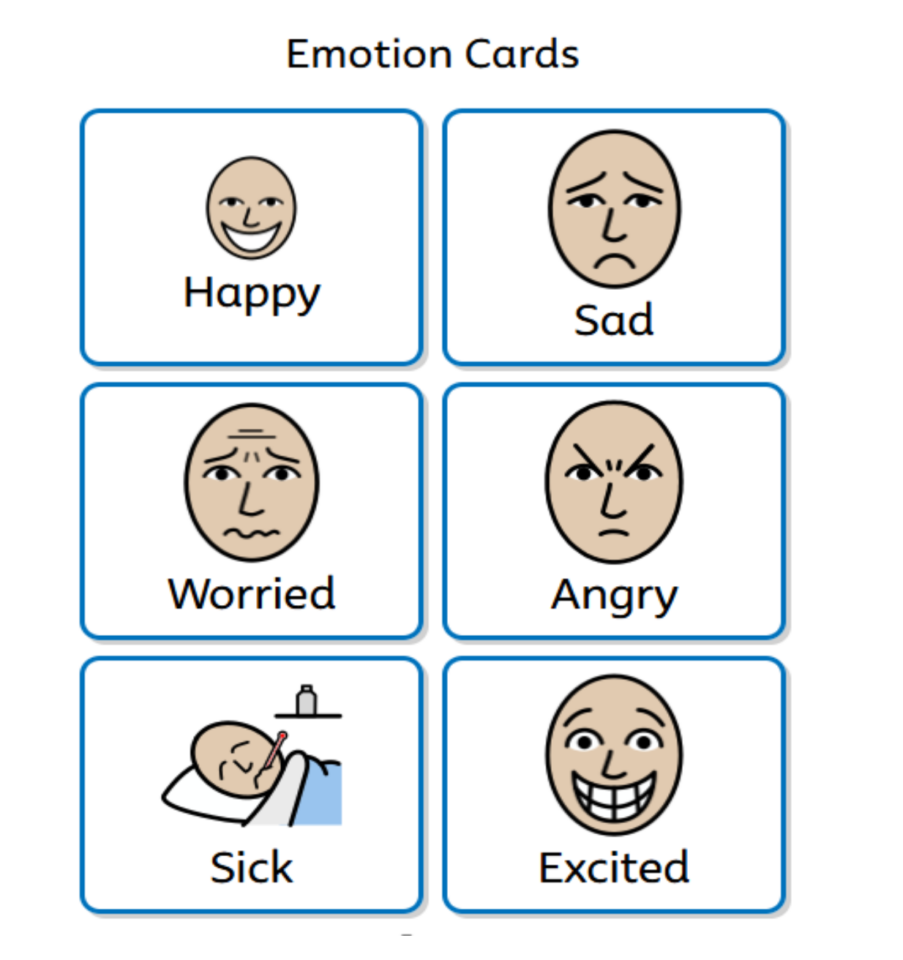
Mood Cards (Emotion Cards)
Mood cards are simple visual tools that show different emotions. They allow young people to point to how they feel instead of trying to find the words. This can be especially helpful during moments of stress.
You can use mood cards by offering a choice:
“Are you feeling like this or this?”
Using them regularly, not just during difficult moments, helps young people build confidence in recognising and expressing their emotions.
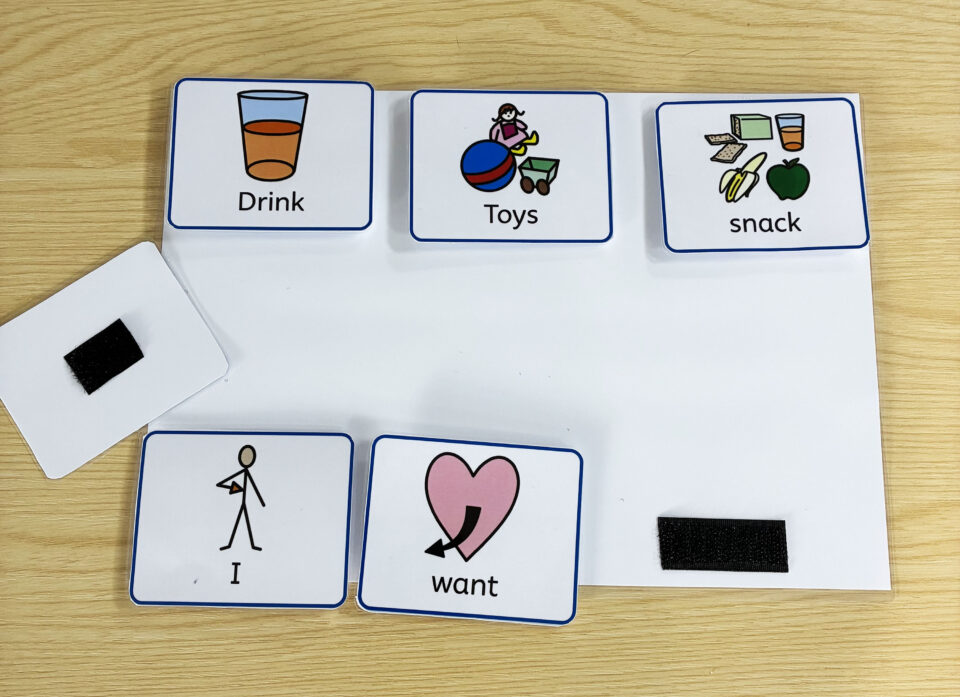
PECS (Picture Exchange Communication System)
PECS uses pictures to help young people communicate their needs and choices, helping them to ask for something – such as food or drink – or to choose between activities.
This provides clarity and structure, which can reduce frustration and increase independence.
When introducing PECS:
- Start with simple, everyday needs
- Be consistent in how you use the images
- Celebrate attempts to communicate, even small ones
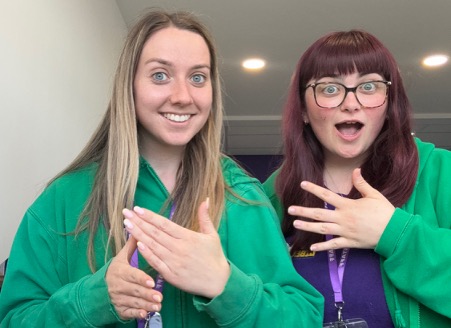
Makaton
Makaton combines verbal speech with signs and symbols. Using simple signs alongside spoken words, such as “help”, “more”, “yes”, “no” and “stop”, can make communication clearer and less overwhelming.
Even using a few key signs consistently can make a meaningful difference.
Learn more about Makaton from CBeebies and Mr Tumble: What is Makaton? – CBeebies
Zones of Regulation
The Zones of Regulation framework helps young people understand and manage their emotions by grouping feelings into four coloured zones:
Blue Zone – feeling sad, tired, unwell or low
Green Zone – feeling calm, happy, focused and ready to learn
Yellow Zone – feeling worried, excited, frustrated or restless
Red Zone – feeling angry, overwhelmed or out of control
Colours make emotions easier to recognise, especially for young people who may struggle to describe how they feel.
You can support young people by:
- Talking about zones throughout the day, not just during difficult moments
- Asking simple questions like, “which zone are you in?”
- Linking zones to strategies, such as using a calm space, taking deep breaths or asking for help
Other Helpful Supports
Some young people also benefit from:
- Visual timetables to show what will happen during the day
- Now/Next boards to break tasks into manageable steps
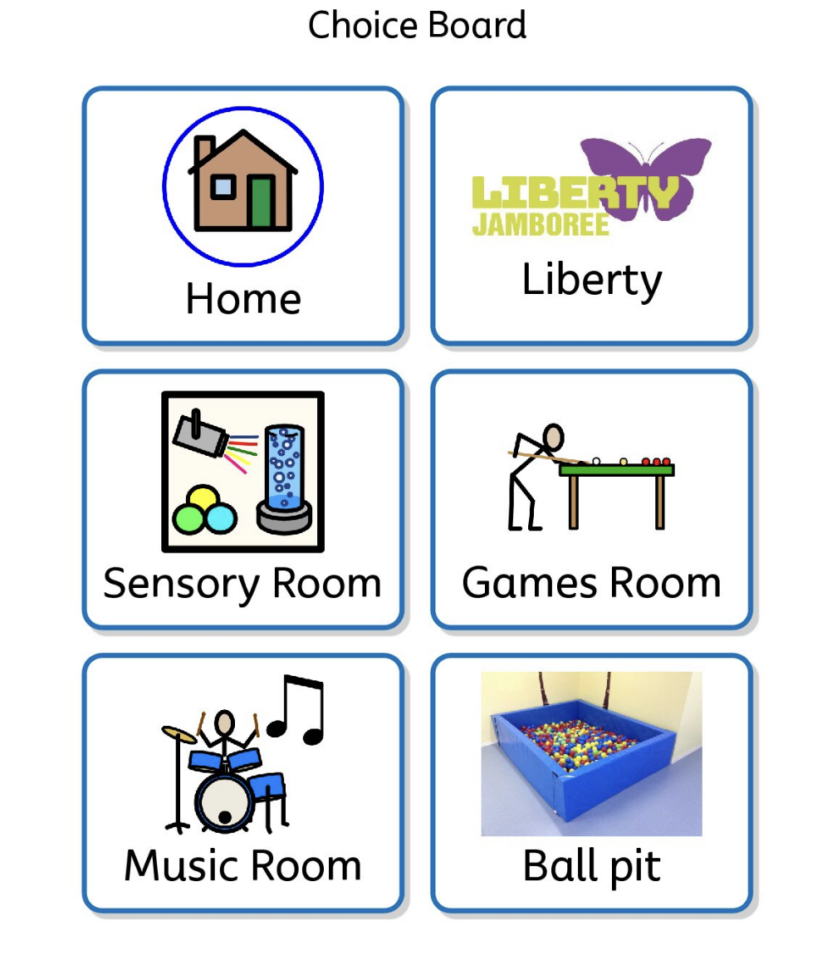
- Choice boards to support decision-making
How to Create Your Own Calm or Sensory Space
With a few simple, low-cost ideas, you can create a calming space at home that supports your young person’s emotional regulation.
It could be a small corner of a room, a cosy den or even a pop-up tent. If space or budget is limited, a den made from blankets, cushions and furniture can work just as well.
May children enjoy peace, quiet and soft lighting, while others may benefit from more active sensory input.
There are many ways to recreate sensory experiences at home using everyday items:
Calming scents – Aromatherapy oils can be used during a gentle hand or arm massage or added to a favourite soft toy for a familiar, soothing scent.
Visual stimulation – Blowing bubbles or simply watching bubbles float can have a similar calming effect. Low-cost LED lights, torches or light-up toys can also help create a relaxing atmosphere.
Movement and vibration – If specialist vibrating mats aren’t available, handheld massagers can provide similar sensory input and support relaxation.
Sensory play – Affordable sensory toys are widely available, but many can also be made at home. You could make your own stress balls using balloons and flour or rice.
Fidget items – They can be as simple as fabric scraps, elastic bands or textured objects.
Texture exploration – Using trays of rice, cereal, jelly, slime or pasta can create a rich sensory experience. Young people can explore different textures with their hands or feet, helping them to regulate and engage their senses in a safe way.
Starting small and building gradually can make the process more manageable and sustainable.